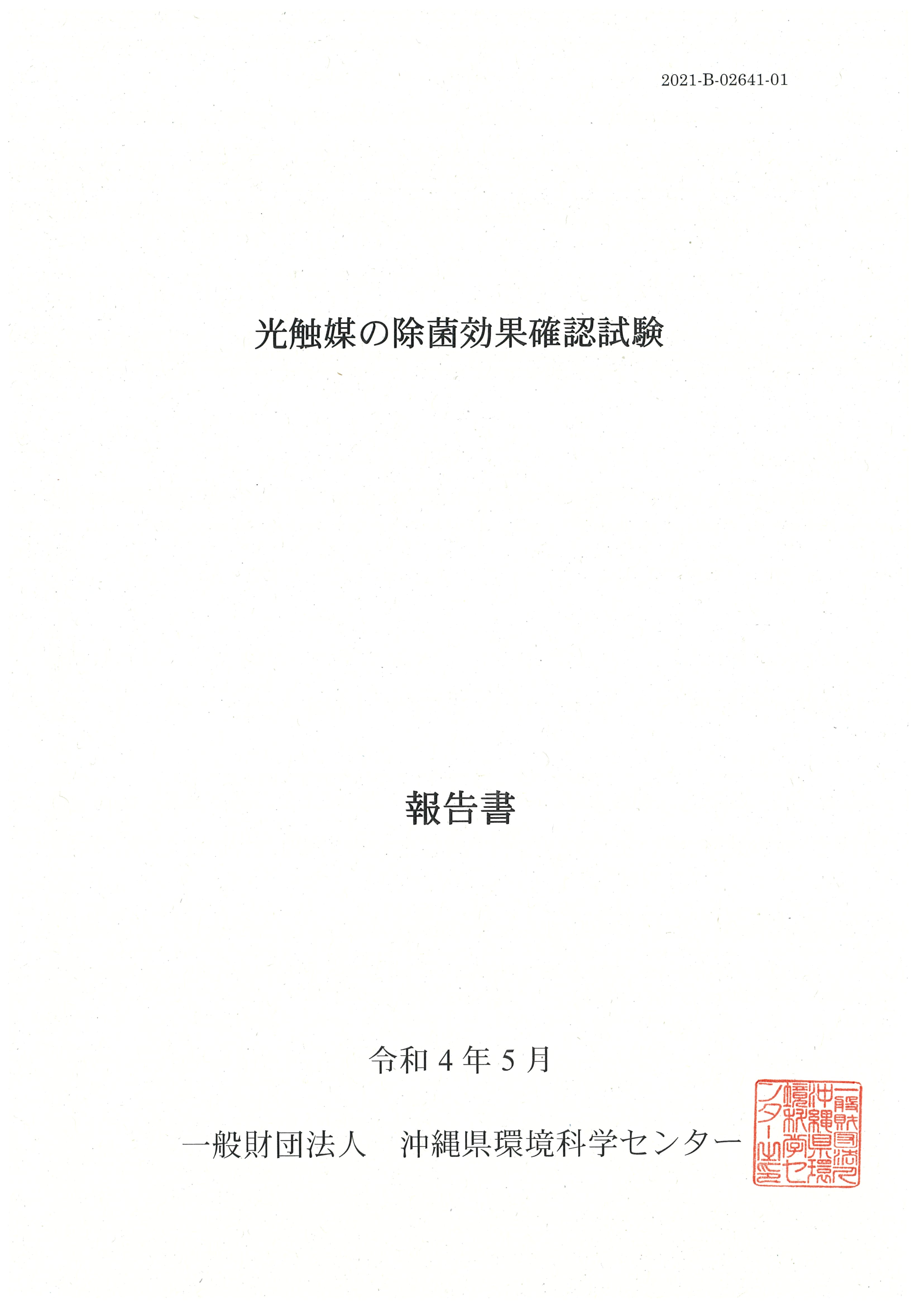
Every claim A-ARK makes is backed by certified independent testing conducted by Okinawa Environmental Science Center, a government-affiliated public research institute. Evidence, not marketing.
A-ARK's photocatalytic coating was submitted to the Okinawa Environmental Science Center (General Foundation — Okinawa Environmental Science Center) — an independent government-affiliated environmental testing body — to verify the antibacterial and anti-mold effectiveness of the Nano Ark coating system.
Two separate reports were produced in different years, testing different pathogens under controlled laboratory conditions. Both reports produced consistent, unambiguous results.
Unlike ordinary disinfectants that wash away, the FTO nano catalyst bonds permanently to surfaces and continuously neutralizes pathogens through a 4-stage process.
Nano-scale titanium dioxide (TiO₂) particles coat every surface — walls, fabrics, AC units — forming an invisible, permanent layer. Invisible, odorless, and imperceptible to touch.
The Ra·TiO catalyst triggers a redox reaction, continuously generating hydroxyl radicals (OH·) on the coated surface. These reactive species break down bacterial cell membranes.
Bacteria, viruses, mold spores, and odor-causing compounds that land on treated surfaces are broken down at the molecular level — converted into harmless CO₂ and water.
The Fe-apatite structure in the coating attracts and absorbs odor molecules (VOCs, formaldehyde, ammonia) and continuously breaks them down — no UV light required.
Relies on UV light from sunlight or dedicated lamps to generate active radicals. Completely inactive in dark spaces, shaded rooms, or at night — leaving most indoor areas with zero protection.
Uses Ra·TiO technology — operates via electron excitation with no light source required. The catalytic cycle runs 24/7 regardless of lighting, protecting every corner of your space.
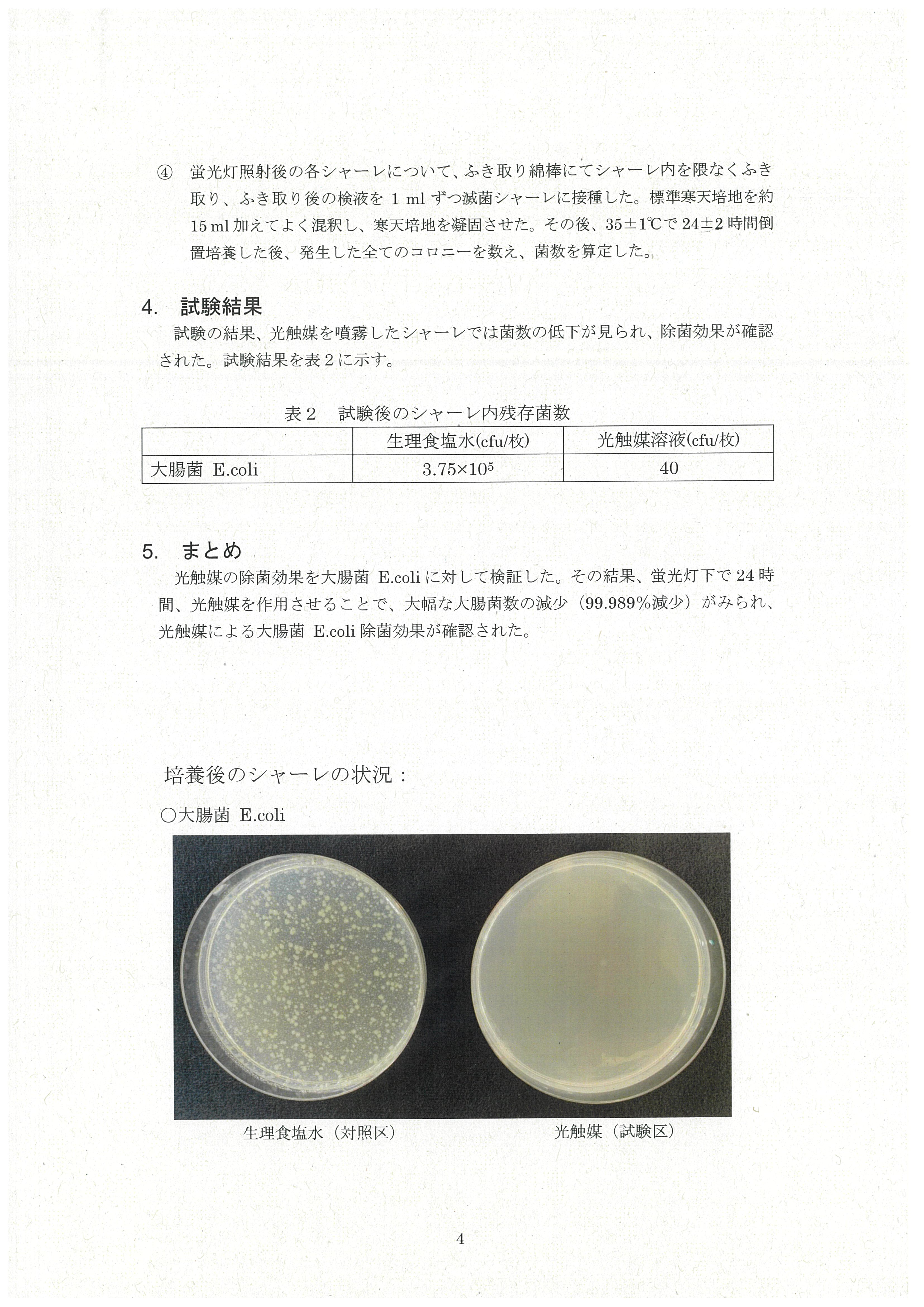
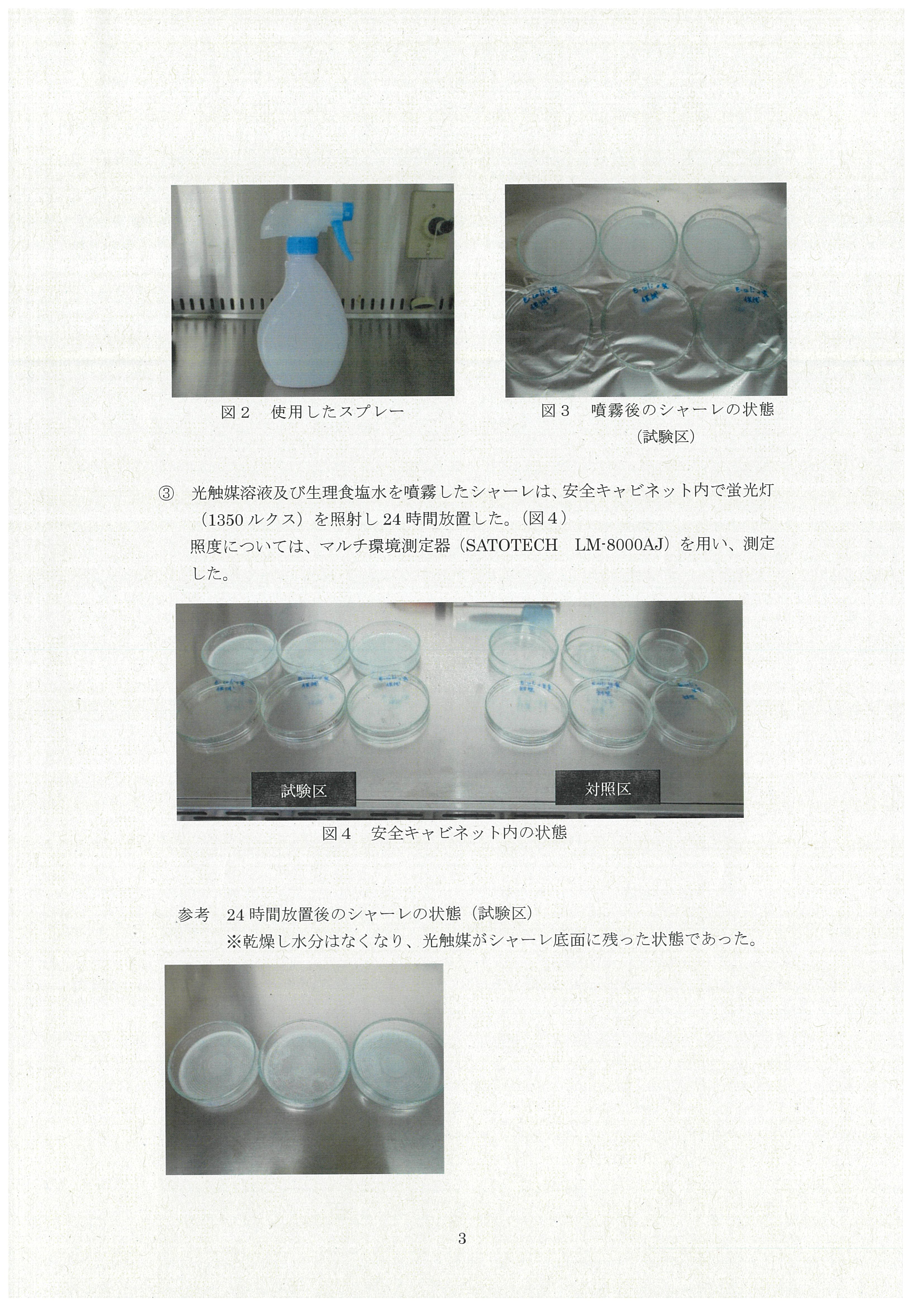
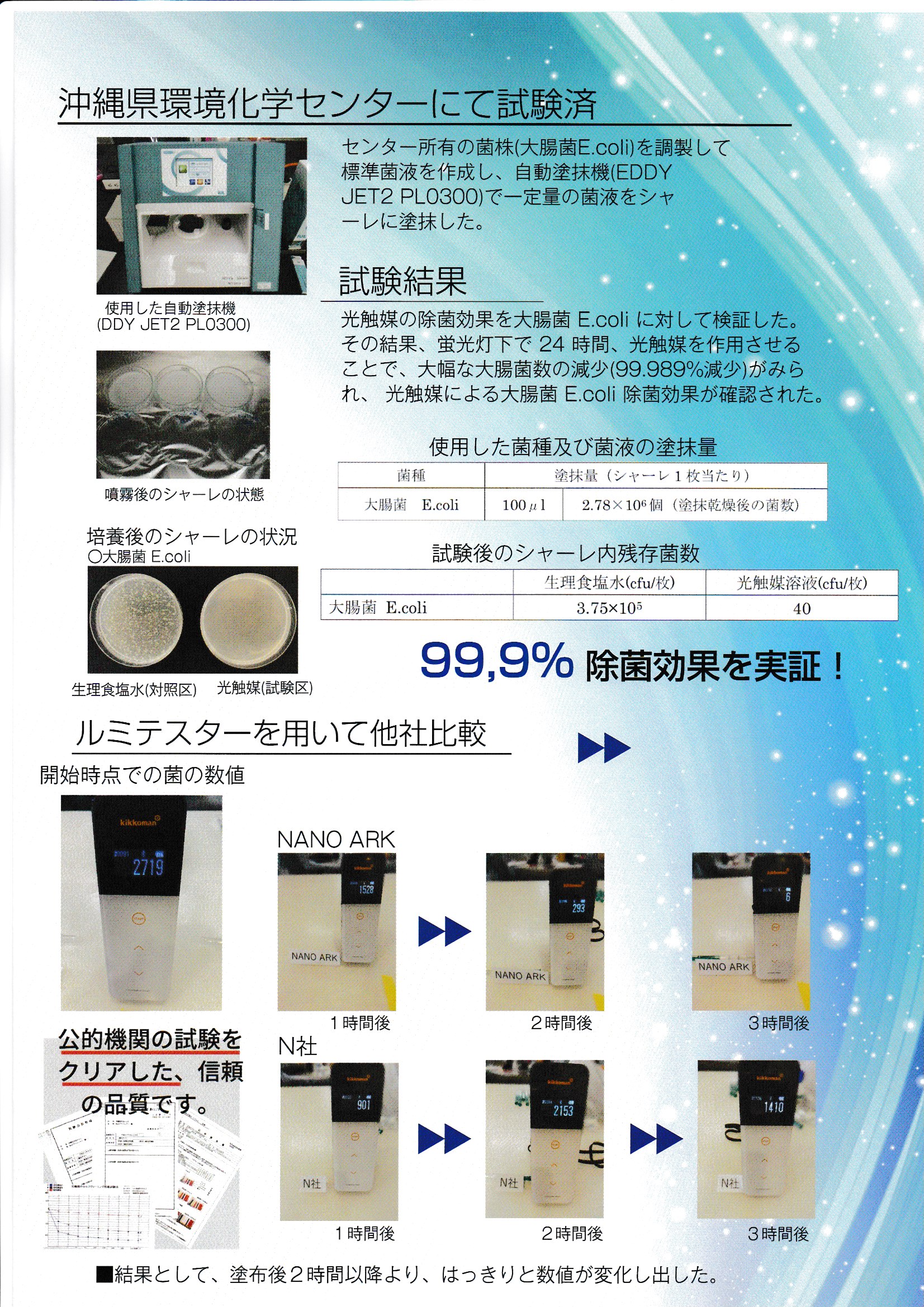
Escherichia coli — the standard benchmark organism used in safety testing worldwide — was introduced into photocatalyst-treated and control (saline) petri dishes and incubated under fluorescent light for 24 hours.
375,000 bacterial colonies survived and multiplied after 24 hours. Significant bacterial load confirmed across the entire dish.
Only 40 colonies detected — a 99.989% reduction. Near-sterile result from a single application after 24 hours of exposure.
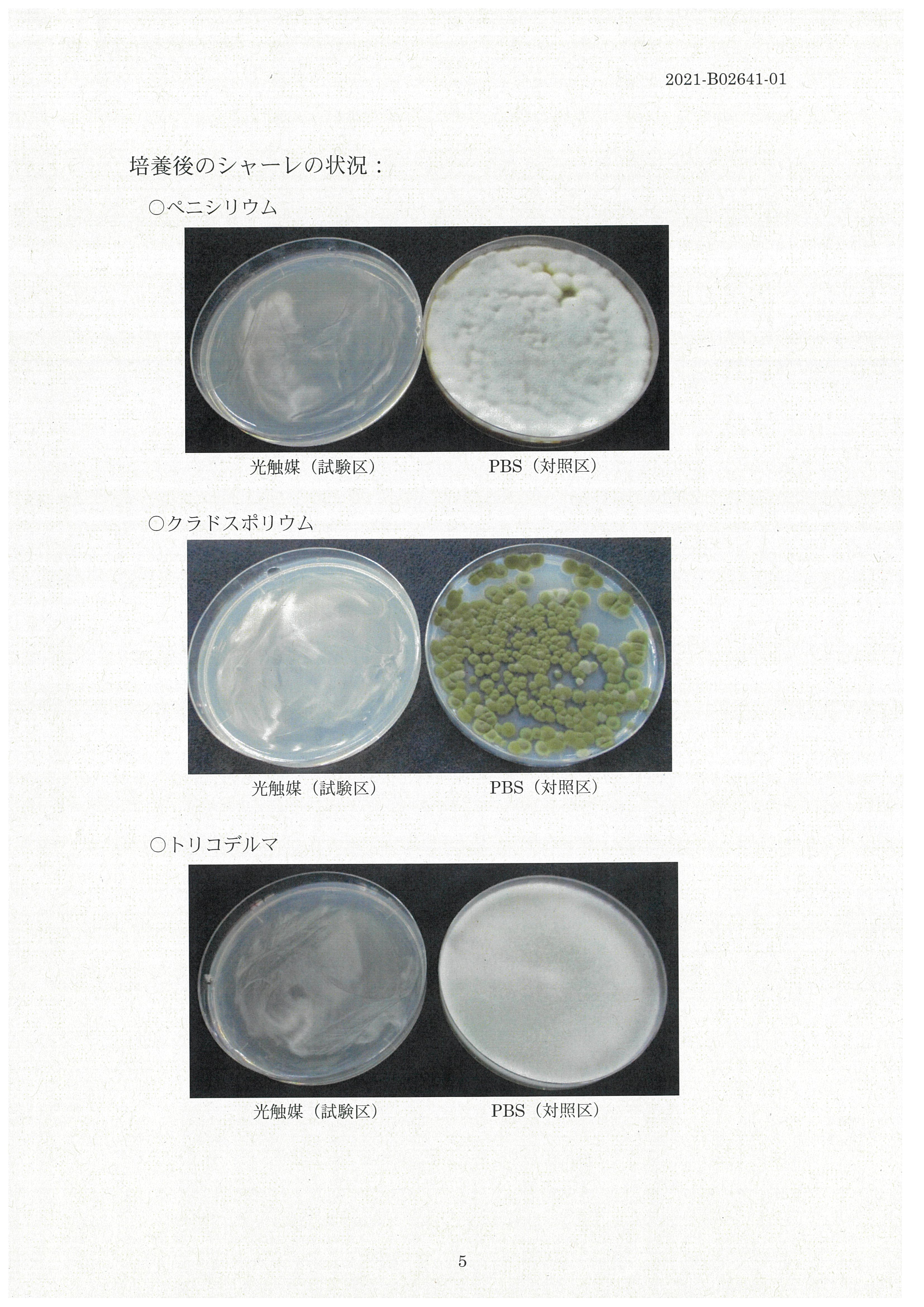
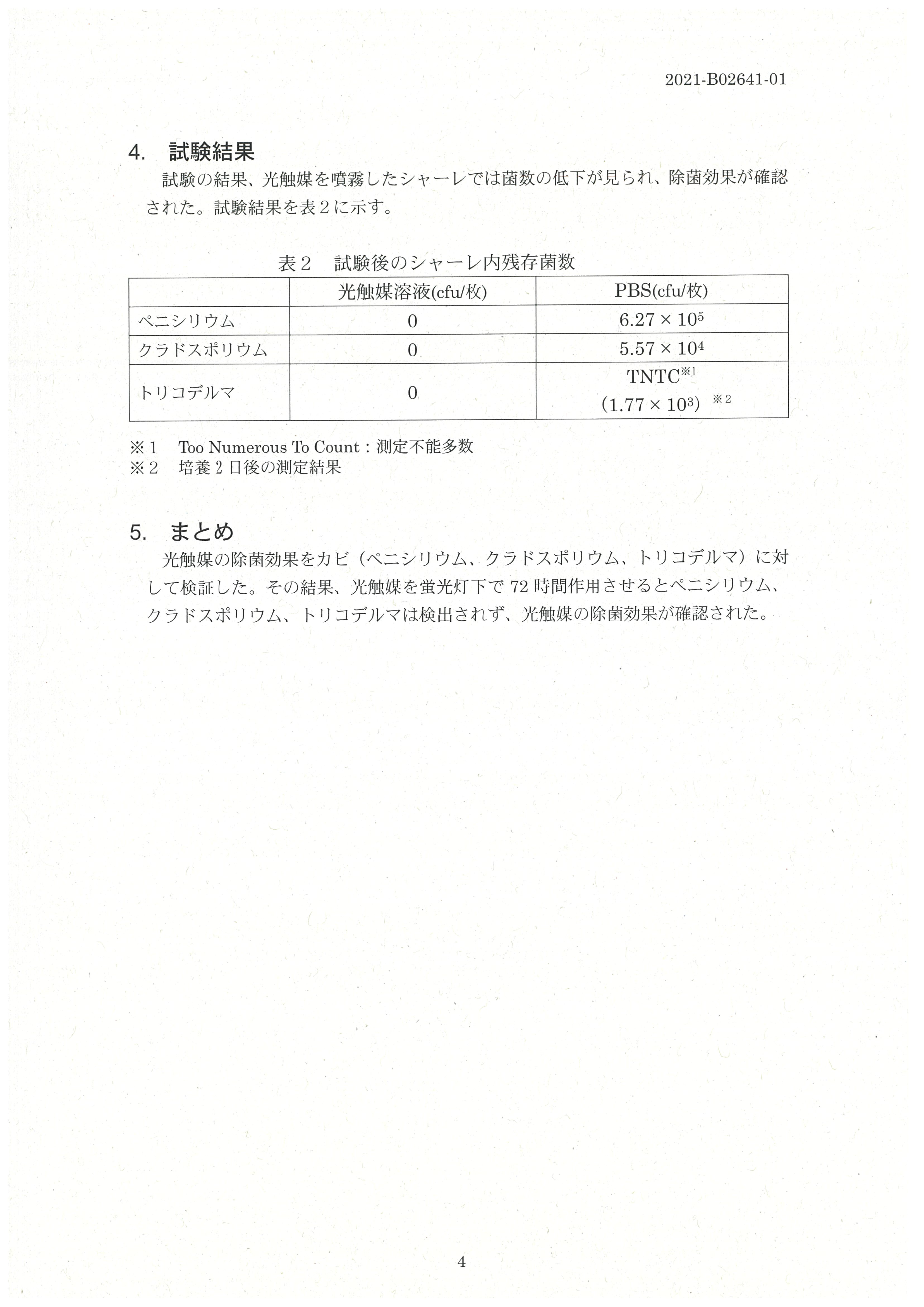
Three mold strains — Penicillium, Cladosporium, and Trichoderma — were tested simultaneously. All three are common threats in humid indoor environments. Each strain was introduced to photocatalyst-treated plates and incubated under fluorescent light (1,460 lux) for 72 hours.
* TNTC = Too Numerous To Count
An ATP luminometer measures bacterial activity in real time. Lower numbers mean a cleaner surface. Nano Ark was tested head-to-head against a competitor product. The results speak for themselves.
ATP is present in all living cells, including bacteria. A luminometer detects ATP on a surface — higher readings mean more bacteria. It's the gold-standard contamination test in food safety and medical environments.
Ordinary disinfectants fade over time. Nano Ark's FTO catalyst keeps working — surfaces get cleaner the longer it runs. No reapplication, no UV lamps, no maintenance.
Nano Ark doesn't just clean — it protects continuously. Every surface. All the time. For up to 2 years.
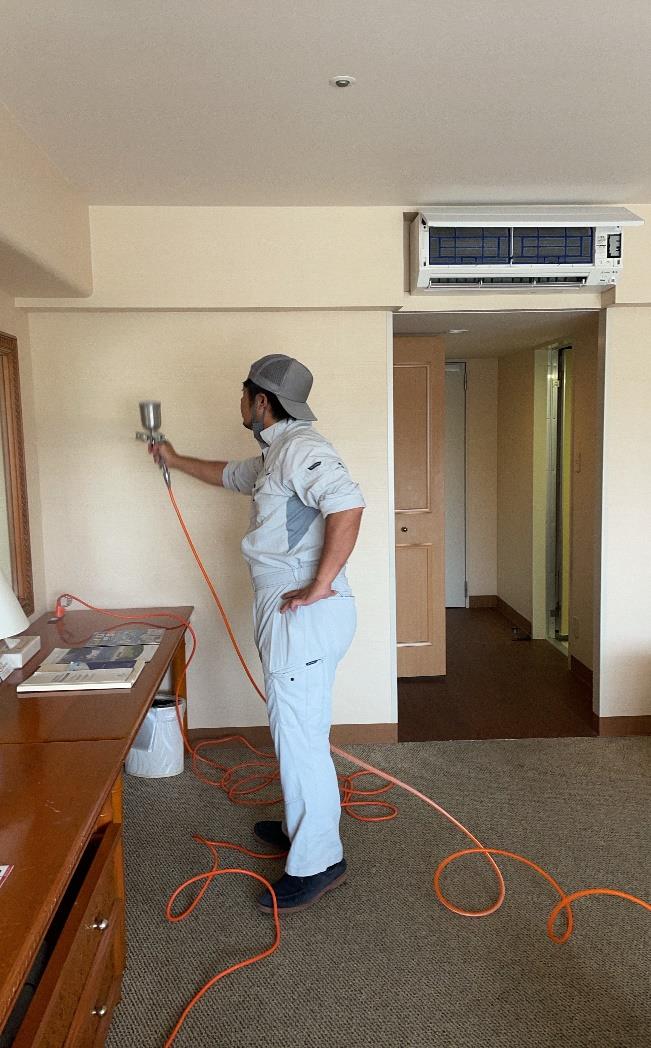
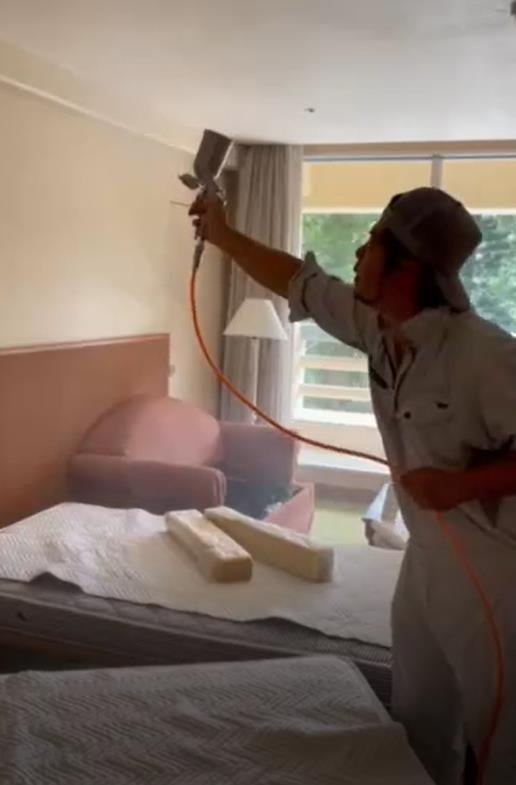
A-ARK's certified technicians applied Nano Ark coating to hotel guest rooms and common areas throughout Okinawa. Walls, ceilings, AC units, curtains, beds, and sofas — fully coated in one pass.
The active ingredient in Nano Ark is titanium dioxide (TiO₂) — a naturally occurring mineral compound classified as safe by the FDA, WHO, and EU regulatory bodies. Widely used in food coloring, sunscreen, and pharmaceuticals.
Contains zero harmful chemical solvents, chlorine compounds, or biocides beyond TiO₂ — meaning no ventilation period is required and spaces can be used immediately after application.
No chemical residues, no off-gassing. Safe to use immediately after application is complete.
Titanium dioxide is non-toxic and non-irritating to animals. Pets don't need to be removed during or after application.
Pathogens are broken down into CO₂ and water. Zero secondary chemical waste is produced.
Unlike ozone treatment or chemical fumigation, there is no residual smell and no safety risk to occupants.
Book a free consultation. We answer questions with test data, not sales talk.